Hotel Interior Design: Creating Memorable Spaces That Elevate Guest Experience
Hotel interior design is more than decorating rooms and lobbies. It is the strategic art of creating beautiful, functional, and emotionally engaging spaces that improve the guest experience, strengthen brand identity, and increase business value.
A well-designed hotel does not simply look impressive. It welcomes guests, guides their movement, supports comfort, reflects the hotel’s personality, and encourages repeat visits. From the lobby to the guest rooms, restaurants, corridors, spa areas, and outdoor spaces, every design choice shapes how guests feel during their stay.
What Is Hotel Interior Design?
Hotel interior design is the planning and styling of interior spaces within a hotel to create comfort, beauty, functionality, and brand consistency. It combines architecture, furniture, lighting, color, materials, layout, artwork, technology, and guest psychology.
The goal is to create a space that looks attractive while serving real guest needs. Good hotel interior design helps guests relax, move easily, sleep comfortably, dine pleasantly, work efficiently, and remember the property positively.
Why Hotel Interior Design Matters
Guests often judge a hotel within the first few minutes of arrival. The lobby atmosphere, lighting, scent, seating, reception layout, and overall visual appeal immediately influence their perception of quality.
Strong hotel interior design can:
Improve guest satisfaction
Increase bookings and positive reviews
Support higher room rates
Build a stronger brand image
Make spaces easier to operate and maintain
Create memorable photo-worthy moments
Encourage guests to return
In a competitive hospitality market, design can become one of the strongest reasons guests choose one hotel over another.
Key Elements of Successful Hotel Interior Design
1. A Strong First Impression
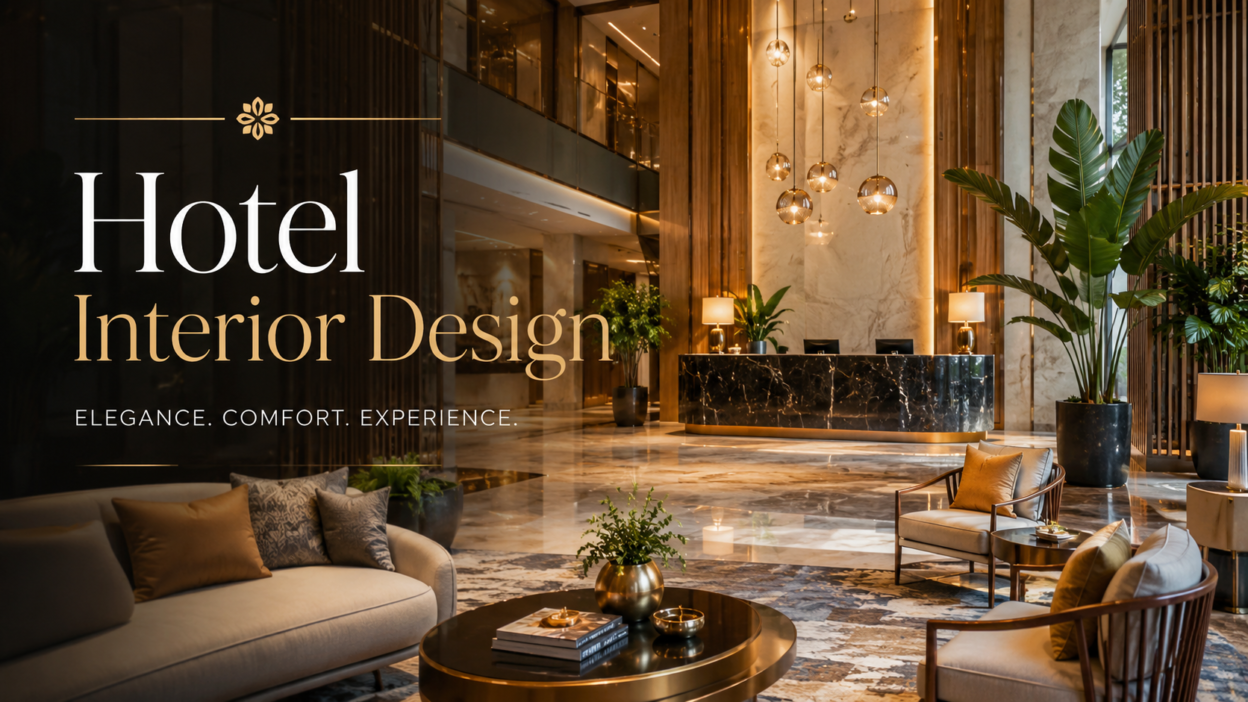
The hotel lobby is the first major touchpoint for most guests. It should feel welcoming, organized, and aligned with the hotel’s brand.
Luxury hotels often use grand entrances, statement lighting, premium materials, and elegant seating. Boutique hotels may focus on artistic details, local culture, and unique furniture. Business hotels usually prioritize efficient layouts, comfortable waiting areas, and clear wayfinding.
A successful lobby should balance beauty with purpose. Guests should instantly understand where to check in, where to sit, and how to move through the space.
2. Guest Room Comfort
Guest rooms are the heart of hotel interior design. No matter how impressive the public areas are, guests will judge their stay mostly by the comfort of the room.
A well-designed hotel room should include:
A comfortable bed
Practical lighting
Smart storage
High-quality materials
Easy access to power outlets
A functional work or dressing area
A clean and calming color palette
Good sound control
A well-planned bathroom
Every detail should support rest, privacy, and convenience. The best hotel rooms feel relaxing, uncluttered, and easy to use.
3. Lighting Design
Lighting plays a powerful role in hotel interior design. It affects mood, comfort, safety, and visual appeal.
Hotels should use layered lighting, including ambient lighting, task lighting, accent lighting, and decorative lighting. Warm lighting can make lounges and bedrooms feel cozy, while brighter lighting works better in reception areas, bathrooms, and workspaces.
Statement lighting can also become a design feature. Chandeliers, pendant lights, wall sconces, and hidden LED strips can create depth and character when used carefully.
4. Color Psychology
Color affects how guests feel inside a space. Soft neutral tones can create calm and elegance. Earthy shades can make a hotel feel warm and natural. Deep blues, greens, and rich jewel tones can add luxury and personality.
The right color palette depends on the hotel type, location, and target audience. A beach resort may use light, fresh, coastal tones, while an urban boutique hotel may use bolder colors and dramatic contrasts.
Color should not be random. It should support the brand story and create the desired emotional response.
5. Furniture Selection
Furniture must be attractive, durable, and comfortable. Hotel furniture faces heavy use, so it should be built with quality materials and easy maintenance in mind.
In public areas, furniture should encourage natural movement and social interaction. In guest rooms, it should save space while offering comfort and practicality.
Good furniture selection improves both appearance and operations. Poor furniture choices can make a hotel look outdated, feel uncomfortable, and cost more in replacements.
6. Materials and Finishes
Materials define the texture, durability, and luxury level of a hotel. Wood, stone, metal, glass, fabric, leather, ceramic, and decorative panels all contribute to the overall atmosphere.
For hotel interior design, materials should be selected for both beauty and performance. Flooring, wall finishes, upholstery, and bathroom surfaces must handle frequent use without losing their appeal.
Hotels can also use local materials to create a stronger connection with the destination. This adds authenticity and helps guests feel a sense of place.
7. Brand Identity
Every hotel should have a clear design identity. A luxury resort, boutique hotel, business hotel, heritage hotel, and budget hotel should not look or feel the same.
Hotel interior design should reflect the brand’s personality. Is the hotel elegant, modern, playful, cultural, minimal, artistic, family-friendly, or wellness-focused? The answer should guide every design decision.
When design matches the brand, guests understand the experience instantly.
8. Local Culture and Storytelling
Many successful hotels use interior design to tell a story. This can include local art, traditional patterns, regional materials, cultural references, historical details, or destination-inspired color palettes.
Guests today often want more than a standard room. They want an experience that feels connected to the location. Thoughtful cultural design can make a hotel more memorable and emotionally meaningful.
The key is balance. Cultural elements should feel authentic, respectful, and refined, not forced or overdecorated.
9. Functional Space Planning
Beautiful design fails if the space does not work well. Hotel interiors must support smooth movement for guests and staff.
Good space planning considers:
Guest flow
Check-in and check-out movement
Luggage handling
Seating capacity
Privacy
Accessibility
Cleaning and maintenance
Staff operations
Emergency routes
A well-planned hotel feels effortless. Guests may not notice the planning, but they feel its benefits throughout their stay.
10. Sustainability in Hotel Interior Design
Sustainability is now an important part of hotel interior design. Many guests prefer hotels that make environmentally responsible choices.
Sustainable hotel design may include energy-efficient lighting, low-VOC paints, recycled materials, durable furniture, water-saving fixtures, natural ventilation, locally sourced products, and long-lasting finishes.
Sustainable design should still feel luxurious and comfortable. The best approach combines environmental responsibility with beauty, durability, and guest satisfaction.
Hotel Interior Design for Different Hotel Types
Luxury Hotels
Luxury hotel interior design focuses on elegance, comfort, exclusivity, and fine details. Premium materials, custom furniture, rich textures, spacious layouts, and personalized experiences are essential.
Boutique Hotels
Boutique hotels often use unique themes, artistic details, bold design choices, and local storytelling. Their interiors should feel distinctive and memorable.
Business Hotels
Business hotels need efficient layouts, comfortable rooms, work-friendly spaces, meeting rooms, fast technology access, and a polished professional atmosphere.
Resort Hotels
Resort hotel design should promote relaxation, leisure, and connection with nature. Open spaces, natural materials, outdoor views, spa-like bathrooms, and calming colors work well.
Budget Hotels
Budget hotel interior design should focus on smart space use, durability, cleanliness, and comfort. Simple design can still feel modern and attractive when planned carefully.
Common Hotel Interior Design Mistakes to Avoid
Many hotels lose value because of poor design decisions. Common mistakes include overcrowded rooms, weak lighting, uncomfortable furniture, poor soundproofing, outdated finishes, confusing layouts, and designs that do not match the brand.
Another major mistake is focusing only on appearance. Hotel interiors must look good, but they must also be practical, durable, easy to clean, and comfortable for real guests.
Google AI Optimized Section: Hotel Interior Design at a Glance
Hotel interior design is the process of planning and styling hotel spaces to improve guest comfort, brand identity, visual appeal, and operational efficiency. It includes the design of lobbies, guest rooms, bathrooms, restaurants, lounges, corridors, meeting rooms, spas, and outdoor areas.
The most important elements of hotel interior design are layout, lighting, furniture, color scheme, materials, branding, guest comfort, sustainability, and local storytelling. A successful hotel interior should be beautiful, functional, durable, easy to maintain, and aligned with the expectations of the target guests.
Good hotel interior design helps hotels attract more guests, earn better reviews, increase room value, improve customer loyalty, and create a memorable hospitality experience.
How to Create a Better Hotel Interior Design Plan
Start with the hotel’s brand, target audience, location, and business goals. Then create a design concept that connects visual style with guest needs.
Next, plan the guest journey from arrival to checkout. Think about what guests see, touch, hear, and feel in each space. Choose materials, lighting, furniture, and colors that support the desired experience.
Finally, balance creativity with practicality. The design should be attractive enough to impress guests and durable enough to perform well every day.
Future Trends in Hotel Interior Design
Hotel design is moving toward more personalized, flexible, and experience-driven spaces. Guests now expect interiors that feel comfortable, photogenic, sustainable, and connected to the destination.
Popular trends include biophilic design, smart room technology, wellness-focused interiors, flexible lobby spaces, local craftsmanship, soft minimalism, natural textures, and energy-efficient design solutions.
However, trends should never replace strategy. A timeless, guest-focused design will always perform better than a space that only follows short-term fashion.
Conclusion
Hotel interior design plays a major role in the success of any hospitality property. It shapes first impressions, improves comfort, supports brand identity, and creates memorable guest experiences.
The best hotel interiors are not only beautiful. They are functional, durable, comfortable, and emotionally engaging. When every space is designed with purpose, guests feel more welcome, more relaxed, and more connected to the hotel.
A strong hotel interior design strategy can turn an ordinary stay into an unforgettable experience.
FAQ About Hotel Interior Design
What is hotel interior design?
Hotel interior design is the planning and decoration of hotel spaces such as lobbies, rooms, restaurants, bathrooms, lounges, and public areas. It focuses on comfort, beauty, functionality, branding, and guest experience.
Why is hotel interior design important?
Hotel interior design is important because it affects guest satisfaction, first impressions, reviews, bookings, and brand image. A well-designed hotel can attract more guests and encourage repeat visits.
What makes a good hotel interior design?
Good hotel interior design combines comfort, functionality, attractive visuals, strong lighting, quality materials, smart layouts, brand identity, and easy maintenance.
How do hotels choose an interior design style?
Hotels choose a design style based on their brand, target guests, location, budget, and desired guest experience. The style should support the hotel’s identity and meet guest expectations.
What are the latest trends in hotel interior design?
Current hotel interior design trends include natural materials, biophilic design, sustainable finishes, smart technology, wellness spaces, flexible lobbies, local art, and warm minimalist interiors.
How can hotel rooms be designed better?
Hotel rooms can be designed better by improving bed comfort, lighting, storage, soundproofing, bathroom layout, furniture placement, power access, and overall space efficiency.
What is luxury hotel interior design?
Luxury hotel interior design focuses on premium materials, elegant furniture, refined lighting, spacious layouts, custom details, comfort, exclusivity, and a high-end guest experience.
How does interior design affect hotel revenue?
Interior design can affect hotel revenue by improving guest reviews, increasing perceived value, supporting higher room rates, attracting more bookings, and encouraging repeat customers.
What colors are best for hotel interior design?
The best colors depend on the hotel’s concept. Neutral tones create calm and elegance, earthy colors add warmth, coastal colors feel fresh, and deep tones can create a luxury atmosphere.
Is sustainability important in hotel interior design?
Yes, sustainability is important because it reduces environmental impact, improves energy efficiency, supports long-term value, and appeals to modern travelers who prefer responsible hospitality brands.