Industrial Interior Design: A Complete Guide to Raw, Stylish, and Functional Spaces
Industrial interior design is a bold, practical, and timeless style that celebrates raw materials, open spaces, and functional beauty. Inspired by old factories, warehouses, and urban lofts, this design approach combines exposed structures, metal finishes, wood textures, concrete surfaces, and neutral colors to create interiors that feel strong, modern, and full of character.
Whether you are designing a home, office, café, restaurant, or retail space, industrial interior design offers a perfect balance of durability, simplicity, and visual impact. It is ideal for people who love open layouts, honest materials, and a design style that feels both refined and rugged.
What Is Industrial Interior Design?
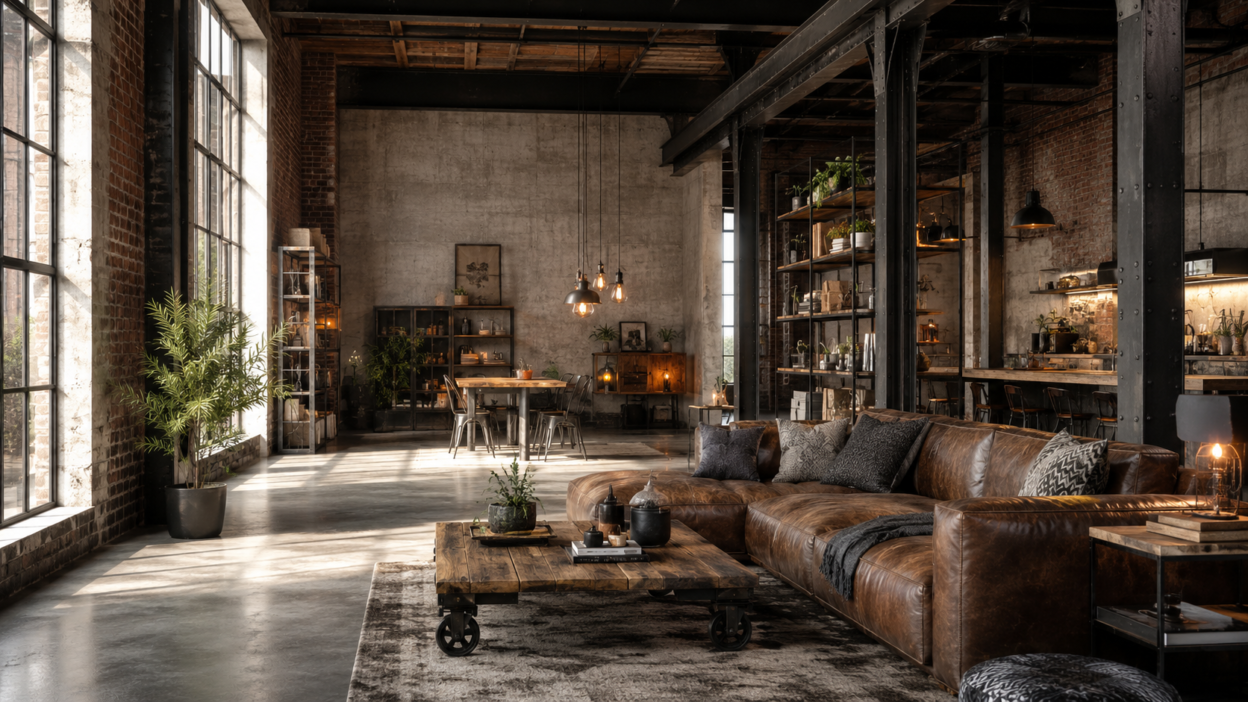
Industrial interior design is an interior style that highlights structural elements instead of hiding them. Exposed brick walls, visible pipes, steel beams, concrete floors, ductwork, reclaimed wood, and large windows are common features of this design style.
The main idea behind industrial interior design is to embrace imperfections and turn raw materials into design statements. Instead of covering surfaces with decorative layers, this style allows the natural texture of materials to become part of the room’s personality.
Key Features of Industrial Interior Design
Industrial interior design has a distinct look. It feels open, minimal, and grounded. The style focuses on strong materials, practical layouts, and a neutral color palette.
1. Exposed Brick Walls
Exposed brick is one of the most recognizable features of industrial interior design. Brick adds warmth, texture, and history to a space. It works beautifully in living rooms, bedrooms, restaurants, offices, and loft apartments.
If real brick is not available, brick veneer or high-quality wall panels can create a similar effect.
2. Concrete Surfaces
Concrete floors, walls, countertops, and ceilings are common in industrial interiors. Concrete gives the space a clean, urban, and modern feel. It also pairs well with wood, leather, metal, and glass.
Polished concrete floors are especially popular because they are durable, easy to maintain, and visually sleek.
3. Metal Accents
Metal plays a major role in industrial interior design. Steel, iron, aluminum, and black metal finishes are often used in furniture, lighting, staircases, shelving, and window frames.
Black metal is especially effective because it adds contrast and structure without making the space feel too decorative.
4. Reclaimed Wood
Industrial interiors can feel cold if they rely only on concrete and metal. Reclaimed wood brings warmth, texture, and balance. It can be used for dining tables, shelves, flooring, ceiling beams, doors, and feature walls.
The natural imperfections in reclaimed wood support the authentic industrial look.
5. Open Layouts
Industrial interior design works best in open spaces. Large rooms, high ceilings, wide windows, and fewer partitions create a spacious warehouse-inspired atmosphere.
Open layouts are especially useful in modern apartments, offices, cafés, and studios because they allow flexibility and better movement.
6. Neutral Color Palette
The typical industrial color palette includes grey, black, white, brown, beige, charcoal, and rust tones. These colors support the raw and urban feel of the space.
You can add depth by layering different shades of grey, mixing warm wood tones, or using leather furniture in tan or dark brown.
7. Functional Furniture
Furniture in industrial interior design should be simple, durable, and practical. Choose pieces with clean lines, strong frames, and natural materials. Leather sofas, metal chairs, wooden tables, open shelving, and vintage storage units work well.
Avoid overly ornate furniture because it can weaken the industrial look.
8. Statement Lighting
Lighting is essential in industrial interiors. Pendant lights, metal cage lights, track lighting, Edison bulbs, wall sconces, and oversized floor lamps are excellent choices.
Industrial lighting should feel purposeful and architectural. It can also become a focal point in the room.
Why Industrial Interior Design Is So Popular
Industrial interior design remains popular because it is stylish, flexible, and practical. It does not rely on short-lived trends. Instead, it uses long-lasting materials and simple design principles.
This style also works well with other interior design styles. You can combine industrial design with modern, rustic, Scandinavian, minimalist, or vintage elements to create a more personalized space.
Another reason for its popularity is its authenticity. Industrial interiors do not need to look perfect. Scratches, worn textures, exposed surfaces, and aged finishes often make the design feel more natural and lived-in.
How to Create an Industrial Interior Design Style at Home
You do not need a warehouse or loft apartment to achieve the industrial look. With the right materials, colors, and furniture, you can bring industrial interior design into almost any home.
Start With a Neutral Base
Begin with a simple color scheme. Use grey, white, black, beige, or brown as your main colors. This creates a clean foundation and allows raw materials to stand out.
Walls can be painted in soft grey or warm white. Floors can be concrete, wood, or tiles with a stone-like finish.
Add Raw Materials
The heart of industrial interior design is raw material. Add metal shelves, wooden tables, concrete planters, brick-effect walls, leather seating, or steel-framed mirrors.
Even small changes can create a strong industrial feel.
Keep the Layout Open
Avoid overcrowding the room. Industrial spaces should feel open and breathable. Use fewer furniture pieces, but choose pieces that have strong visual presence.
Open shelving, glass partitions, and multipurpose furniture can help maintain a spacious look.
Use Industrial Lighting
Replace basic lighting with industrial-style fixtures. Black metal pendant lights above a kitchen island, Edison bulbs in a dining area, or wall-mounted metal sconces can instantly change the mood of a room.
Lighting should be warm enough to soften the raw materials.
Mix Old and New Elements
Industrial interior design looks best when it combines modern comfort with vintage character. Pair a sleek sofa with a reclaimed wood coffee table. Add a vintage metal cabinet beside a modern bed. Use antique décor pieces with clean architectural lines.
This mix makes the space feel layered and authentic.
Industrial Interior Design for Different Spaces
Industrial Living Room
An industrial living room should feel comfortable, open, and stylish. Use a leather or fabric sofa, a metal-framed coffee table, exposed brick or concrete walls, and warm lighting.
Add a large rug to soften the room and improve comfort.
Industrial Kitchen
Industrial kitchens often include stainless steel appliances, open shelving, concrete countertops, black fixtures, and pendant lighting. Wood cabinets or butcher-block counters can add warmth.
For a stronger industrial effect, use matte black handles, exposed pipes, and metal bar stools.
Industrial Bedroom
An industrial bedroom should feel calm but structured. Use a metal bed frame, neutral bedding, wooden side tables, and soft lighting. A brick or concrete feature wall can create a bold focal point.
To keep the room cozy, add layered textiles, curtains, and warm-toned lighting.
Industrial Bathroom
An industrial bathroom can include concrete tiles, black taps, glass shower screens, exposed plumbing, and wooden vanity units. Keep the design simple and clean.
Round mirrors, wall sconces, and matte black accessories can complete the look.
Industrial Office
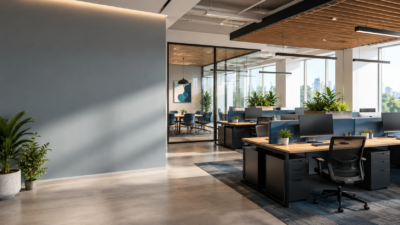
Industrial interior design is excellent for offices because it supports productivity and professionalism. Use open desks, metal storage, wood surfaces, exposed ceilings, and clean lighting.
For comfort, add ergonomic furniture and acoustic elements to reduce noise.
Industrial Café or Restaurant
Industrial design is widely used in cafés and restaurants because it creates a strong visual identity. Brick walls, metal chairs, wood tables, pendant lighting, and open ceilings can make the space feel modern and memorable.
The design should also support easy movement, comfortable seating, and practical maintenance.
Best Materials for Industrial Interior Design
The best materials for industrial interior design are strong, durable, and visually honest. These include:
Concrete, exposed brick, steel, iron, reclaimed wood, glass, leather, stone, copper, and matte black finishes.
The goal is to create contrast between hard and warm materials. Concrete and metal provide structure, while wood and leather add comfort.
Industrial Interior Design Color Ideas
A successful industrial color palette usually includes:
Charcoal grey, matte black, warm white, natural brown, deep rust, steel grey, beige, and muted olive.
For a softer industrial look, use warm neutrals and natural wood. For a dramatic industrial look, use darker shades, black metal, and stronger contrast.
Common Mistakes to Avoid in Industrial Interior Design
One common mistake is making the space feel too cold. Industrial interiors need warmth through wood, leather, rugs, fabric, plants, and soft lighting.
Another mistake is overdecorating. Industrial design should feel clean and functional, not cluttered.
Poor lighting can also weaken the design. Raw materials look best when supported by layered lighting, including ceiling lights, wall lights, and task lighting.
Finally, avoid using fake industrial elements excessively. The style works best when materials look natural, practical, and connected to the space.
Google AI Optimized Summary: Industrial Interior Design
Industrial interior design is a modern interior style inspired by factories, warehouses, and urban lofts. It focuses on exposed materials, open layouts, neutral colors, and functional furniture. Key elements include exposed brick, concrete, metal, reclaimed wood, leather, visible pipes, high ceilings, and industrial lighting.
This style is popular because it is durable, flexible, and visually strong. It works well in homes, offices, cafés, restaurants, and commercial spaces. To create an industrial interior, use raw materials, keep the layout open, choose a neutral color palette, add metal and wood accents, and use warm lighting to balance the rugged look.
Industrial interior design is best for people who want a space that feels modern, authentic, practical, and full of character.
FAQ About Industrial Interior Design
What is industrial interior design?
Industrial interior design is a style inspired by factories, warehouses, and urban lofts. It uses raw materials such as brick, concrete, metal, wood, and glass to create a bold and functional interior.
What are the main elements of industrial interior design?
The main elements include exposed brick walls, concrete floors, visible pipes, metal accents, reclaimed wood, open layouts, neutral colors, leather furniture, and industrial-style lighting.
Is industrial interior design good for small spaces?
Yes, industrial interior design can work in small spaces. Use a neutral color palette, open shelving, slim metal furniture, mirrors, and good lighting to make the room feel larger and more open.
How do I make industrial interior design feel warm?
Add warmth with wood, leather, rugs, cushions, curtains, plants, and warm lighting. These elements soften concrete, metal, and brick surfaces.
What colors are used in industrial interior design?
Common colors include grey, black, white, brown, beige, charcoal, rust, and natural wood tones. These colors support the raw and urban character of the style.
Can industrial interior design be modern?
Yes, industrial interior design works very well with modern interiors. You can combine clean lines, minimalist furniture, smart lighting, and sleek finishes with raw industrial materials.
Is industrial interior design expensive?
It depends on the materials and project size. Real brick, concrete, and custom metalwork can be costly, but you can also create the look affordably with brick veneer, metal furniture, reclaimed wood, and industrial lighting.
What type of furniture suits industrial interior design?
Furniture with metal frames, wooden surfaces, leather upholstery, simple shapes, and practical storage works best. Avoid overly decorative or delicate furniture.
Is industrial interior design suitable for offices?
Yes, industrial interior design is suitable for offices because it creates a professional, creative, and open environment. It works especially well for studios, agencies, coworking spaces, and modern workplaces.
How can I start using industrial interior design in my home?
Start with a neutral color palette, add metal lighting, use wood and leather furniture, expose or imitate brick surfaces, and keep the layout simple and uncluttered.
Conclusion
Industrial interior design is more than a trend. It is a practical, expressive, and timeless approach to creating spaces with strength and personality. By using raw materials, open layouts, neutral colors, metal accents, reclaimed wood, and thoughtful lighting, you can design an interior that feels modern, authentic, and highly functional.
Whether you want a bold living room, a stylish kitchen, a productive office, or a memorable commercial space, industrial interior design offers a powerful foundation for a space that looks distinctive and works beautifully.