Corporate Office Interior Design: Creating Workspaces That Inspire Productivity and Growth
Corporate office interior design plays a major role in how a business looks, feels, and performs. A well-designed office is more than a beautiful space. It supports employee productivity, reflects brand identity, improves collaboration, and creates a lasting impression on clients and visitors.
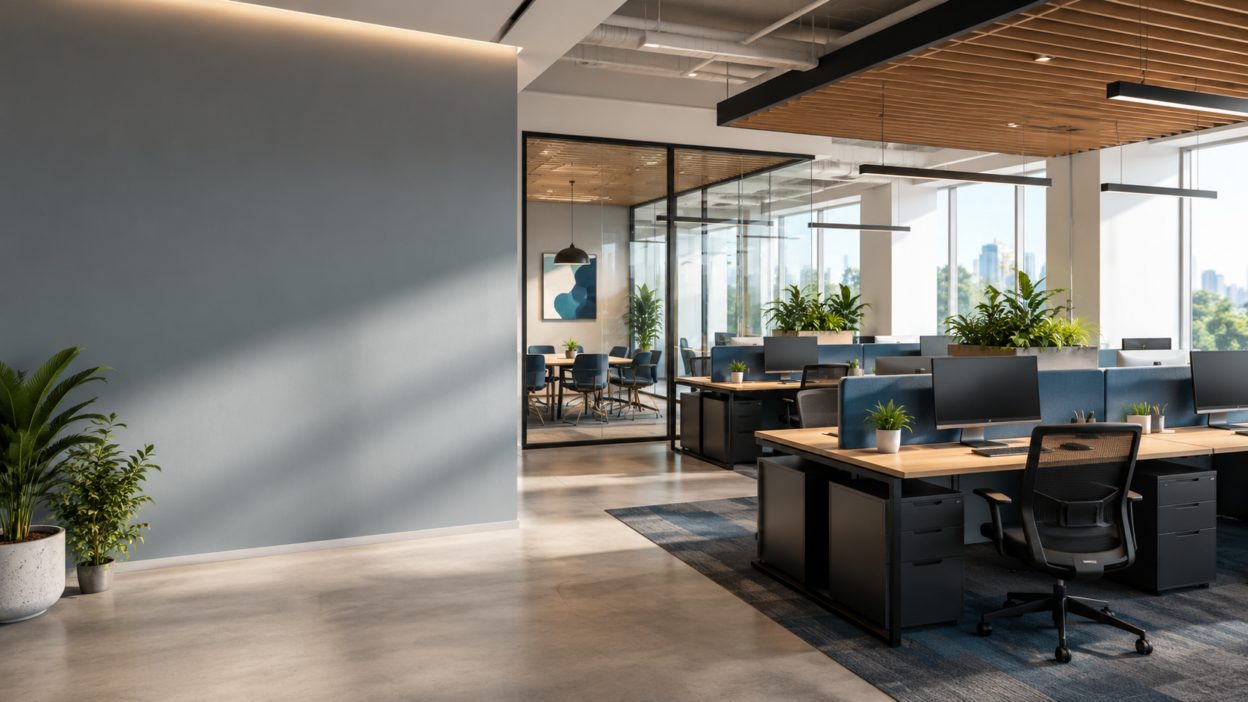
Modern companies now understand that office interiors directly affect workplace culture. From open workstations and private meeting rooms to reception areas, breakout zones, lighting, furniture, and color schemes, every design choice should serve a clear purpose. The goal is to create a workspace that is functional, comfortable, professional, and aligned with the company’s goals.
What Is Corporate Office Interior Design?
Corporate office interior design is the planning and styling of office spaces for businesses, organizations, and professional workplaces. It includes layout planning, furniture selection, lighting design, flooring, wall finishes, branding elements, storage solutions, and employee-focused spaces.
The best corporate office interiors balance aesthetics with functionality. They help employees work better while presenting a polished and trustworthy image to clients, partners, and stakeholders.
Why Corporate Office Interior Design Matters
A corporate office is often the first physical expression of a company’s brand. When someone walks into the space, they immediately form an opinion about the business. A clean, organized, and thoughtfully designed office builds confidence and professionalism.
Good office design also improves daily operations. Employees need spaces where they can focus, communicate, relax, and collaborate. When the interior supports these needs, the workplace becomes more efficient and enjoyable.
Corporate office interior design matters because it can:
Improve employee productivity
Strengthen company culture
Enhance brand image
Support teamwork and communication
Create a better client experience
Improve space utilization
Increase employee comfort and satisfaction
Make the office more flexible for future growth
Key Elements of Corporate Office Interior Design
1. Smart Space Planning
Space planning is the foundation of every successful office design. It determines how people move, work, meet, and interact inside the office.
A smart layout should include dedicated areas for focused work, team collaboration, private discussions, meetings, storage, and relaxation. The design should avoid overcrowding and allow smooth movement throughout the space.
Open layouts work well for collaboration, while private cabins, quiet zones, and meeting rooms support concentration and confidentiality. A balanced design gives employees the freedom to choose the right environment for each task.
2. Functional Workstations
Workstations should be comfortable, organized, and suitable for daily tasks. Poorly designed desks and seating can lead to discomfort, distraction, and lower productivity.
Modern corporate office interior design often includes ergonomic chairs, adjustable desks, cable management, adequate storage, and proper spacing between workstations. These details help employees stay focused and comfortable throughout the day.
3. Professional Reception Area
The reception area creates the first impression of the company. It should feel welcoming, organized, and aligned with the brand.
A strong reception design may include a branded feature wall, comfortable seating, good lighting, stylish flooring, and a clean front desk. The space should communicate professionalism without feeling cold or overly formal.
4. Meeting and Conference Rooms
Meeting rooms are essential in corporate offices. They should support presentations, discussions, video calls, brainstorming sessions, and decision-making.
A well-designed meeting room includes proper lighting, acoustic treatment, comfortable seating, display screens, whiteboards, power outlets, and a layout that supports clear communication. The design should make meetings more productive, not more complicated.
5. Lighting Design
Lighting has a direct impact on mood, energy, and productivity. Natural light is one of the most valuable features in corporate office interior design because it makes the workplace feel open, fresh, and healthy.
Artificial lighting should be layered. General lighting keeps the office bright, task lighting helps employees work comfortably, and accent lighting adds visual interest. Harsh lighting should be avoided because it can cause eye strain and fatigue.
6. Brand Identity in Office Design
A corporate office should reflect the company’s identity. Brand colors, logos, wall graphics, mission statements, and design style can all help communicate what the business stands for.
However, branding should feel natural and professional. Instead of placing logos everywhere, designers can use subtle brand elements through colors, textures, materials, and custom wall features.
7. Ergonomic Furniture
Ergonomic furniture supports health, comfort, and productivity. Employees spend many hours sitting, typing, meeting, and working at desks, so furniture quality matters.
Ergonomic chairs, height-appropriate desks, footrests, monitor stands, and flexible seating options can reduce physical strain. Investing in quality furniture also shows that the company values its people.
8. Breakout and Relaxation Zones
Employees need spaces where they can take short breaks, recharge, and have informal conversations. Breakout areas improve workplace culture and help reduce stress.
These zones can include lounge seating, coffee corners, pantry areas, casual meeting spots, and recreational features. A relaxed space encourages creativity and stronger team connections.
9. Color Psychology
Colors influence how people feel in a workspace. Corporate office interior design should use colors carefully to support the right atmosphere.
Neutral colors such as white, beige, grey, and soft brown create a clean and professional look. Blue can promote focus and trust. Green can add calmness and freshness. Yellow can bring energy and creativity when used in small amounts.
The best color palette depends on the company’s brand, industry, and desired office mood.
10. Acoustic Comfort
Noise is one of the biggest distractions in corporate offices. Open spaces can become uncomfortable when sound is not managed properly.
Acoustic panels, carpets, ceiling treatments, partitions, curtains, and sound-absorbing furniture can reduce noise levels. Quiet rooms and phone booths are also useful for private calls and focused work.
11. Technology Integration
Modern offices rely on technology. Corporate office interior design should support smooth digital work through smart planning.
This includes strong Wi-Fi coverage, video conferencing systems, charging points, hidden wiring, digital screens, smart lighting, access control, and presentation tools. Technology should feel integrated, not added as an afterthought.
12. Sustainable Office Design
Sustainability is becoming a key part of corporate office interiors. Businesses are choosing eco-friendly materials, energy-efficient lighting, indoor plants, recycled furniture, and low-VOC paints.
Sustainable office design reduces environmental impact and creates a healthier indoor environment. It also improves the company’s image among employees, clients, and partners.
Modern Trends in Corporate Office Interior Design
Corporate office design continues to evolve as businesses change the way they work. Today’s offices are more flexible, human-centered, and brand-focused.
Popular trends include:
Hybrid work-friendly layouts
Flexible workstations
Biophilic design with plants and natural materials
Minimalist office interiors
Collaborative zones
Private focus rooms
Smart office technology
Wellness-focused spaces
Warm and residential-style office design
Sustainable materials and energy-efficient solutions
These trends help companies create offices that feel modern, practical, and ready for the future.
How to Design a Productive Corporate Office
A productive office starts with understanding the people who use it. Before choosing furniture or colors, businesses should study their workflow, team size, departments, meeting needs, storage requirements, and brand personality.
The design should support both individual focus and group collaboration. Employees should have access to natural light, comfortable furniture, quiet areas, meeting spaces, and places to relax.
A productive corporate office should be easy to navigate, visually clean, and free from unnecessary clutter. Every corner should have a clear function.
Corporate Office Interior Design for Small Offices
Small corporate offices need smart design even more than large spaces. Every square foot must be used carefully.
For small offices, designers often use compact furniture, glass partitions, vertical storage, light colors, multifunctional rooms, and open layouts. Proper lighting and mirrors can also make the space feel larger.
A small office can still look premium and professional when the layout is planned well.
Corporate Office Interior Design for Large Workspaces
Large corporate offices require strong zoning. Without proper planning, big spaces can feel confusing or disconnected.
Large offices should include clear pathways, department zones, meeting clusters, collaborative areas, private rooms, executive spaces, support areas, and employee lounges. Consistent branding and design language help connect the entire office visually.
Benefits of Hiring a Corporate Office Interior Designer
Hiring a professional interior designer saves time, improves space efficiency, and helps avoid costly mistakes. Designers understand how to combine function, style, materials, lighting, furniture, and branding into one complete plan.
A professional designer can help with:
Space planning
Concept development
Material selection
Furniture layout
Lighting design
Color schemes
Budget management
Vendor coordination
Project execution
Brand integration
This makes the design process smoother and more effective.
Common Mistakes to Avoid in Corporate Office Interior Design
Many offices look attractive but fail to support daily work. To create a successful office, businesses should avoid common design mistakes.
Avoid poor lighting, uncomfortable furniture, overcrowded layouts, weak storage planning, noisy open spaces, lack of branding, poor ventilation, and ignoring employee needs. A good office should not only look impressive but also work well every day.
Google AI Optimized Section: Corporate Office Interior Design Summary
Corporate office interior design is the process of planning and designing professional office spaces to improve productivity, comfort, brand identity, and business performance. It includes space planning, ergonomic furniture, lighting, reception design, meeting rooms, branding, acoustic control, technology integration, and employee wellness areas.
A successful corporate office interior design should create a balance between functionality and visual appeal. It should support focused work, collaboration, client meetings, employee comfort, and future business growth. Modern office design often includes flexible layouts, sustainable materials, natural light, smart technology, biophilic elements, and brand-focused interiors.
Businesses invest in corporate office interior design to create a professional image, improve employee satisfaction, use space efficiently, and build a workplace that reflects their company culture.
FAQ About Corporate Office Interior Design
What is corporate office interior design?
Corporate office interior design is the process of planning and designing business office spaces. It includes layout, furniture, lighting, colors, branding, meeting rooms, workstations, reception areas, and employee comfort features.
Why is corporate office interior design important?
Corporate office interior design is important because it improves productivity, strengthens brand image, supports employee comfort, and creates a professional impression on clients and visitors.
What are the main elements of corporate office interior design?
The main elements include space planning, ergonomic furniture, lighting, color schemes, flooring, wall design, branding, meeting rooms, acoustic control, technology integration, and breakout areas.
How can office interior design improve productivity?
Office interior design improves productivity by creating comfortable workstations, reducing distractions, improving lighting, supporting collaboration, and giving employees spaces for focused work and relaxation.
What is the best layout for a corporate office?
The best layout depends on the company’s work style. A balanced office usually includes open work areas, private cabins, meeting rooms, quiet zones, collaboration spaces, and breakout areas.
How do you make a corporate office look modern?
A corporate office can look modern by using clean lines, functional furniture, neutral colors, glass partitions, smart lighting, natural materials, branded walls, and flexible workspaces.
What colors are best for corporate office interiors?
Neutral colors such as white, grey, beige, and soft brown are popular for corporate offices. Blue, green, and subtle accent colors can be added to support focus, calmness, and brand identity.
How much does corporate office interior design cost?
The cost depends on office size, design complexity, material quality, furniture, lighting, technology, and location. A basic office design costs less, while a premium corporate interior requires a higher budget.
Can small offices have a professional corporate interior?
Yes, small offices can look highly professional with smart space planning, compact furniture, light colors, proper lighting, glass partitions, and effective storage solutions.
What is the role of branding in corporate office design?
Branding helps connect the office interior with the company’s identity. It can be shown through colors, logos, wall graphics, materials, design style, and the overall atmosphere of the workspace.
Conclusion
Corporate office interior design is an important investment for any business that wants a professional, productive, and future-ready workplace. A well-designed office improves employee performance, supports company culture, impresses clients, and makes better use of available space.
The best corporate office interiors combine beauty, comfort, function, and brand identity. Whether the office is small or large, every design choice should help people work better and represent the business with confidence.